
Termite and Other Wood-Destroying
Organisms Pest Control 2025
***NOTE --  To qualify
for continuing education unit credit, you must attend this area
for a minimum of one hour and fifty minutes. Our materials are
timed to take about 2 hours if presented in a live presentation.
Your movement and time spent in the different sections is being
monitored and recorded. *** If you
bookmark or add this page to your favorites, you will not have to re-register if
you get disconnected**(However, remember to remove the bookmark later so you
don't return to outdated material at a later time.) If you do get disconnected, just re-register using MONEY ORDER for the payment method.
To qualify
for continuing education unit credit, you must attend this area
for a minimum of one hour and fifty minutes. Our materials are
timed to take about 2 hours if presented in a live presentation.
Your movement and time spent in the different sections is being
monitored and recorded. *** If you
bookmark or add this page to your favorites, you will not have to re-register if
you get disconnected**(However, remember to remove the bookmark later so you
don't return to outdated material at a later time.) If you do get disconnected, just re-register using MONEY ORDER for the payment method.
- WDO Inspections
- Summary of Compliance Regulations
- Consumer Communication
- Preventive Measures
This year's topics include:
Wood-Destroying Inspections
Wood-Destroying Inspections
In Florida, Wood-Destroying Organisms (WDOs) are a group of pests that can cause significant damage to wooden structures, leading to costly repairs and structural instability if left unchecked. In Florida, due to its warm and humid climate, several types of WDOs are particularly problematic.
WDOs tend to work rather secretive within the wooden elements of the structure. Homeowner's don't really recognize there is an issue until swarming occurs, or for the damage to become noticeable. Real estate transactions (buying or selling a house) is one of the primary ways that infestations are discovered. Real estate transactions require a WDO Inspection prior to closing.
History
Prior to 1979, there was no mandated form and the pest control industry just issued "Termite Letters". There was no standard language and quality was very spotty. Here is an example of a Termite Letter.
"To Whom it May Concern:
Based on a thorough inspection of the property located at 2003 Boulevard Avenue, Ft. Lauderdale, Florida, it is hereby determined to be free and clear of any visible signs of subterranean activity as of this date."
In 1979, Chapter 482, Florida Statutes, was amended to mandate a WDO Inspection Form. The state form is accepted by the VA, FHA, and HUD. The form has been modified to improve it several times.
WDO inspections must be made in accordance with good industry practice and standards as established by rule. The WDO inspector must inspect for ALL wood destroying organisms (as defined by law). And a copy of the inspection report must be retained by the licensee for not less than (3) years.
Florida Statutes (F.S.), Chapter 482.226,F.S., states:
(1) When an inspection for wood-destroying organisms is made by a licensee for purposes of a real estate transaction and either a fee is charged for the inspection or a written report is requested by the customer, a wood-destroying organism inspection report shall be provided by the licensee or its representative qualified under this chapter to perform such inspections. The inspection shall be made in accordance with good industry practice and standards as established by rule and must include inspection for all wood-destroying organisms. The inspection findings shall be reported to the person requesting the inspection. The report must be made on a form prescribed by the department and furnished by the licensee. A copy of the inspection report shall be retained by the licensee for a period of not less than 3 years.
(2)(a) The inspection report must include the following information and statements:
1. The licensee’s name.
2. The date of the inspection.
3. The address of the structure inspected.
4. Any visible accessible areas not inspected and the reasons for not inspecting them.
5. The areas of the structure that were inaccessible.
6. Any visible evidence of previous treatments for, or infestations of, wood-destroying organisms.
7. The identity of any wood-destroying organisms present and any visible damage caused.
8. A statement that a notice of the inspection has been affixed to the property in accordance with subsection (4) or subsection (5) and a statement of the location of the notice.
(b) If any pest control treatment is provided at the time of the inspection, the inspection report must also provide the name of each of the wood-destroying organisms for which treatment was provided, the name of the pesticide used, and all conditions and terms associated with that treatment.
(c) An inspection report does not constitute a guarantee of the absence of wood-destroying organisms or damage therefrom or other evidence unless the report specifically states therein the extent of such guarantee.
(d) The inspection report must also include a statement certifying that neither the inspector nor the licensee by whom the inspection is made has any financial interest in the property inspected or is associated in any way in the transaction with any party to the transaction other than for inspection purposes.
(3) If periodic reinspections or retreatments are specified in wood-destroying organisms preventive or control contracts, the licensee shall furnish the property owner or the property owner’s authorized agent, after each such reinspection or retreatment, a signed report indicating the presence or absence of wood-destroying organisms covered by the contract, whether retreatment was made, and the common or brand name of the pesticide used. Such report need not be on a form prescribed by the department. A person may not perform periodic reinspections or retreatments unless she or he has an identification card issued under s. 482.091(9).
(4) When a wood-destroying organism inspection is provided in accordance with subsection (1), the licensee shall post notice of such inspection immediately adjacent to the access to the attic or crawl area or other readily accessible area of the property inspected. This notice must be at least 3 inches by 5 inches in size and must consist of a material that will last at least 3 years. It is a violation of this chapter for anyone other than the property owner to remove such notice at any time. The licensee’s name and address and the date of inspection must be stated on the notice.
(5) In addition to the notice required by subsection (4), any licensee who performs control of any wood-destroying organism shall post notice of such treatment immediately adjacent to the access to the attic or crawl area or other readily accessible area of the property treated. This notice must be at least 3 inches by 5 inches in size and must consist of a material that will last at least 3 years. It is a violation of this chapter for anyone other than the property owner to remove such notice at any time. The licensee’s name and address, the date of treatment, the name of the pesticide used, and the wood-destroying organism for which treatment was performed must be stated on the notice. The contract for treatment between the licensee and the consumer must state the location of such notice.
(6) Any licensee that performs wood-destroying organism inspections in accordance with subsection (1) must meet minimum financial responsibility in the form of errors and omissions (professional liability) insurance coverage or bond in an amount no less than $500,000 in the aggregate and $250,000 per occurrence, or demonstrate that the licensee has equity or net worth of no less than $500,000 as determined by generally accepted accounting principles substantiated by a certified public accountant’s review or certified audit. The licensee must show proof of meeting this requirement at the time of license application or renewal thereof.
And Section 482.091, F.S., states:
(1)(a) Each employee who performs pest control for a licensee must have an identification card.
(9) For every employee who performs inspections for wood-destroying organisms pursuant to s. 482.226, the licensee or certified operator in charge must apply for an identification card that identifies that employee as having received the special training specified in this subsection in order to perform inspections pursuant to s. 482.226. The application for such identification card must be accompanied by an affidavit, signed by the prospective identification cardholder and by the licensee or certified operator in charge, which states that the prospective identification cardholder has received training in the detection and control of wood-destroying organisms, including but not limited to training in:
(a) The biology, behavior, and identification of wood-destroying organisms with particular emphasis on ones common in this state and the damage caused by such organisms;
(b) The inspection forms to be used to report the finding; and
(c) Applicable federal, state, and local laws or ordinances.
Such identification cards must be applied for, and shall be issued and used, in accordance with this section. This subsection does not apply to a certified operator who is certified in the category of pest control with respect to termites and other wood-destroying organisms. A person may not perform such inspections except under the supervision of a certified operator in charge who is certified in the category of termites and other wood-destroying organisms pest control.
Chapter 482.021(27),F.S., defines "Structure" to mean:
(27) “Structure” means:
(a) Any type of edifice or building, together with the land thereunder, the contents thereof, and any patio or terrace thereof;
(b) That portion of land upon which work has commenced for the erection of an edifice or building; or
(c) A railway car, motor vehicle, trailer, barge, boat, ship, aircraft, wharf, dock, warehouse, or common carrier.
Chapter 482.021(30),F.S., defines "Wood Destroying Organisms" to mean:
(30) “Wood-destroying organism” means arthropod or plant life which damages and can reinfest seasoned wood in a structure, namely termites, powder-post beetles, oldhouse borers, and wood-decaying fungi.
The Florida Department of Agriculture and Consumer Services (FDACS) created "Guidelines" to educate the industry on what was expected for properly completing the WDO Inspection Form. It was first released to the industry in the early '80s with minor revisions made over the past 20 years. The Department still recommends for the industry to review the guidelines for completing the forms.
The Department has since stopped updating these guidelines to coinside with the 13645 form following Commissioner Putnam's term.
In August 2005, the WDO Inspection Practices committee was formed. The committee comprised of 12 members of the pest control industry and took about 2 years to develop these baselines.
Baseline practices have NOT been adopted into Statute or Rule which means that an administrative action cannot be taken just because an inspection form is not compliant with baselines. (However, they are normally heavily used in civil court proceedings).
During the 80s and 90s, WDO Inspections (Form 13645) violations held the top spot in all disciplinary actions issued by the Department. This also led to the greatest potential for litigation for the pest control industry.
The most common mistakes noted at that time were:
-Not making a complete inspection (usually by failing to note which areas were not inspected).
-Accepting the word from a 3rd party that the WDO repairs have been made and not performing a follow-up inspection to verify.
-Failing to open "easily" accessible access panels and inspect.
-Using inaccessibilty for a reason not to inspect an area that is "easily" accessible.
-Improper repairs were made (damage still visible and in place).
-Not reporting Wood Decay.
-Making a verbal report prior to making a written report.
-Reporting on areas that are not considered part of a structure (pump housings, trees, fences).
-Damaging a structure by excessive probing.
-Allowing yourself to be manipulated by a realtor.
With the last WDO Inspection form revisions in May of 2021, the WDO Inspection form, if completed properly, has reduced the amount of consumer complaints.
Industry would complain that the Department inspections (graduate entomologists at the time) were being overly critical with their WDO inspections to document violations. However, the Department always had photographic evidence of the issues discovered and rarely pursued anything they weren't certain of winning in an administrative hearing.
Here are some examples of the photographic evidence:
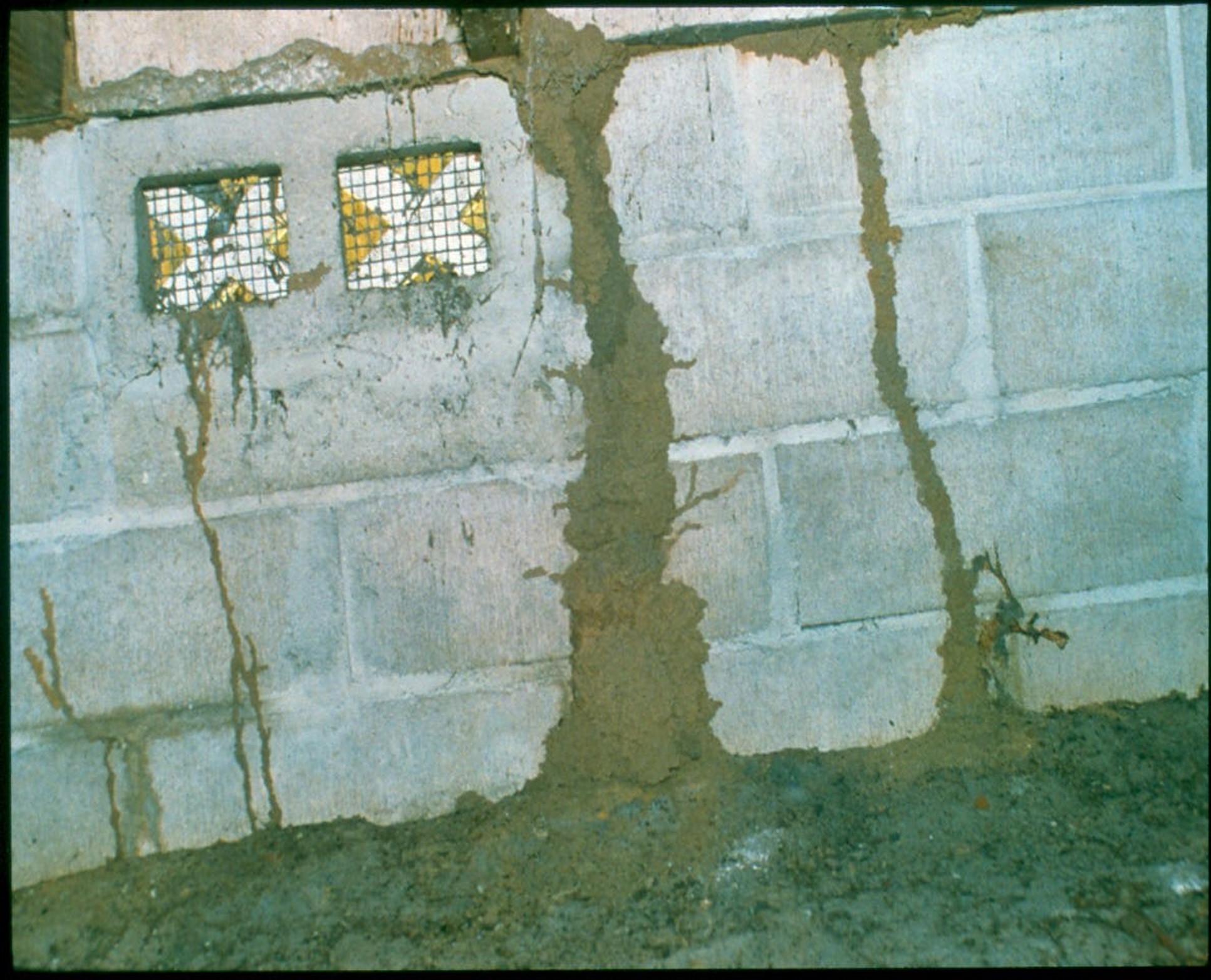
The WDO inspector swore he went under the house 1 month prior and there were no subterranean tubes....
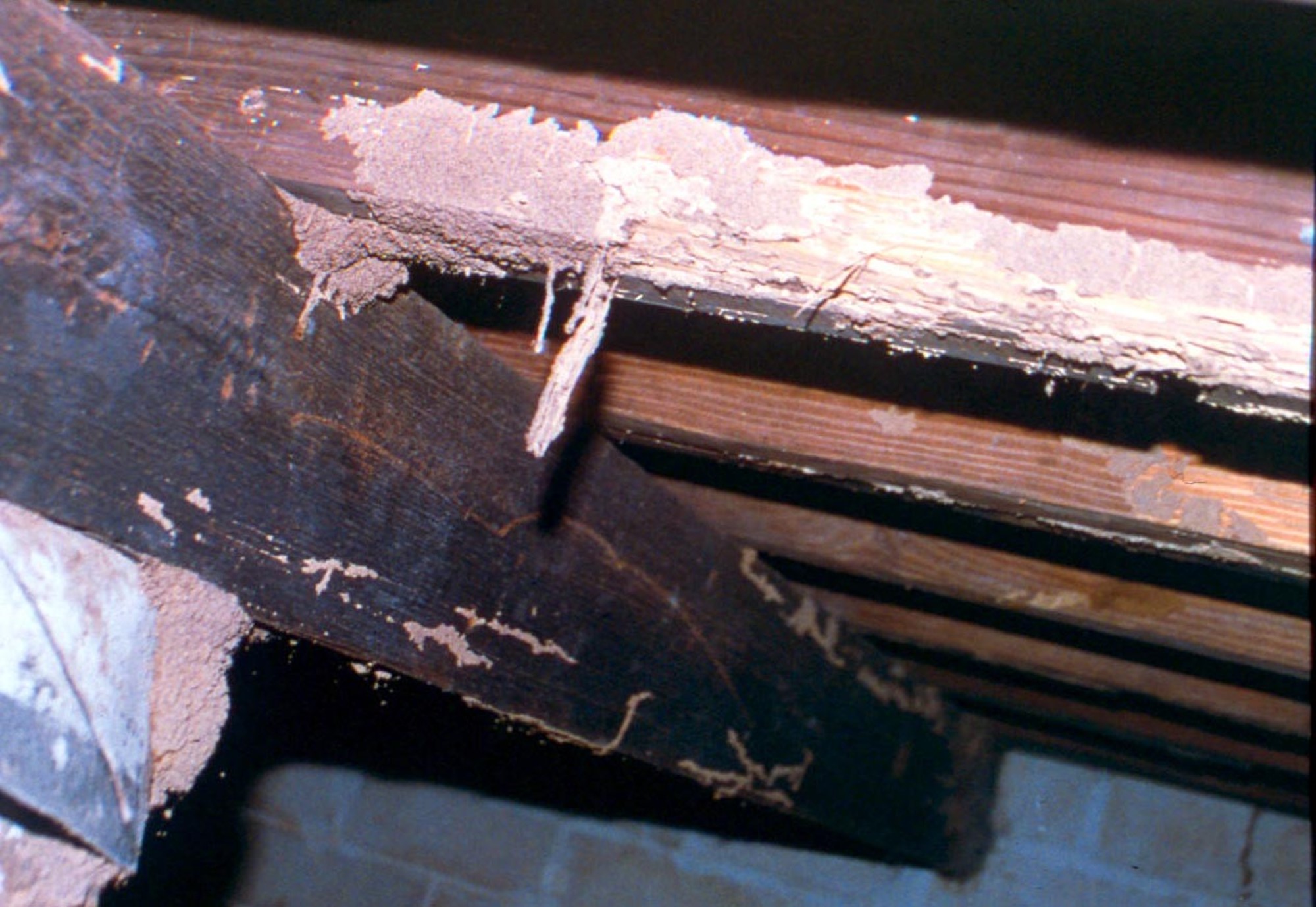
Different house when this evidence was found at the back of the crawl space...(You've got to inspect the whole crawl)
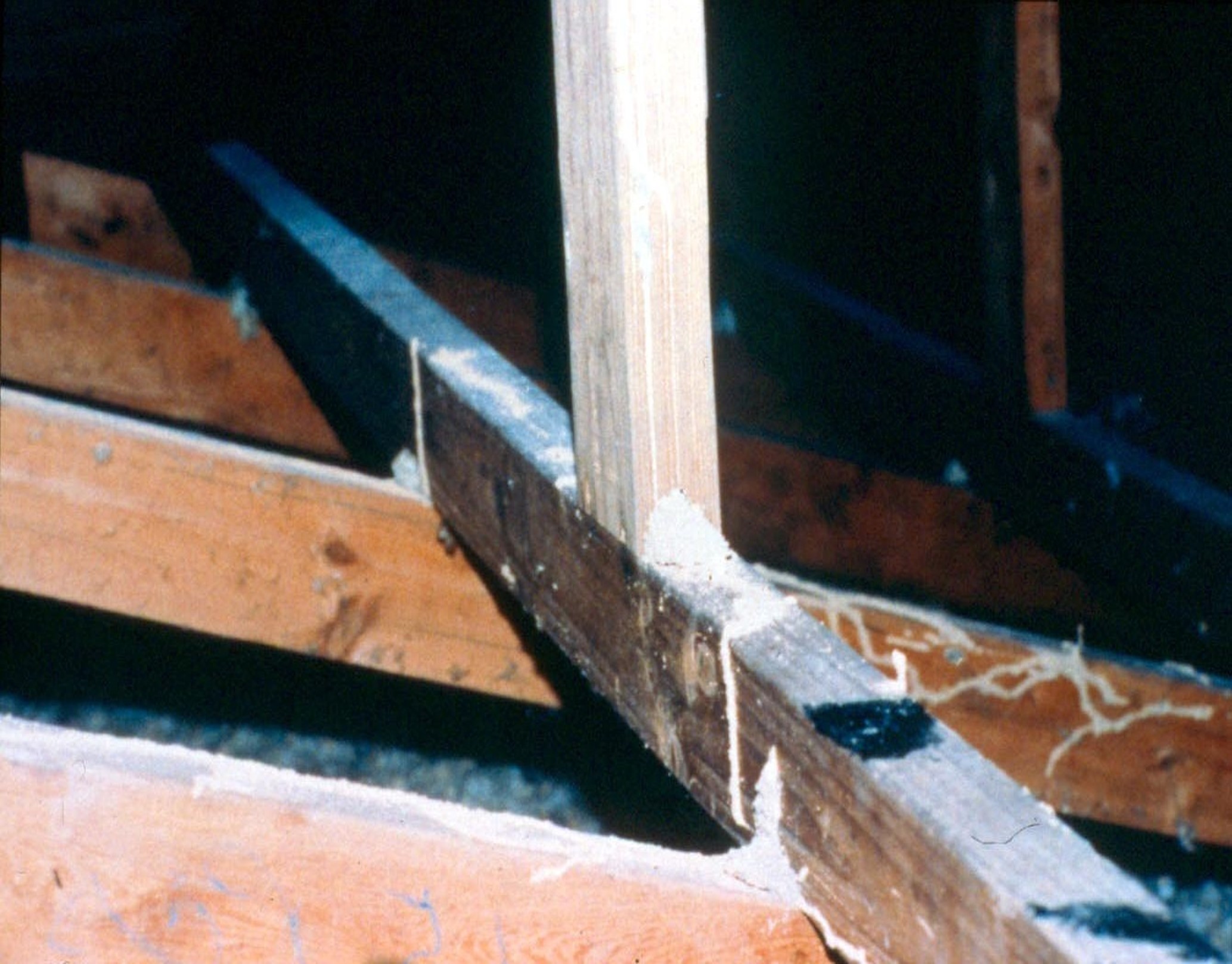
This was an attic area viewable from the scuttle opening
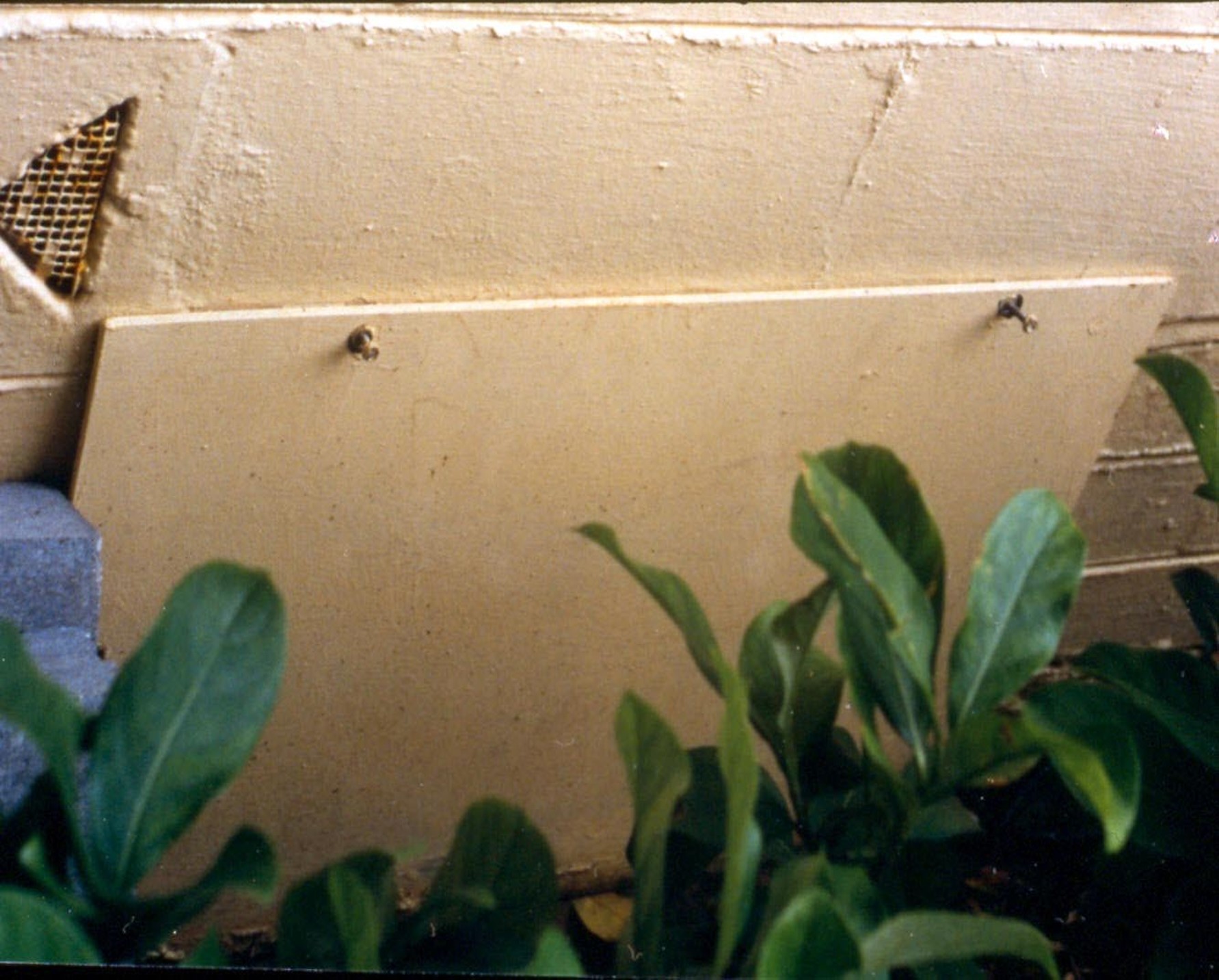
Crawl access wasn't even screwed in that WDO inspector said was inaccessible - screwed shut
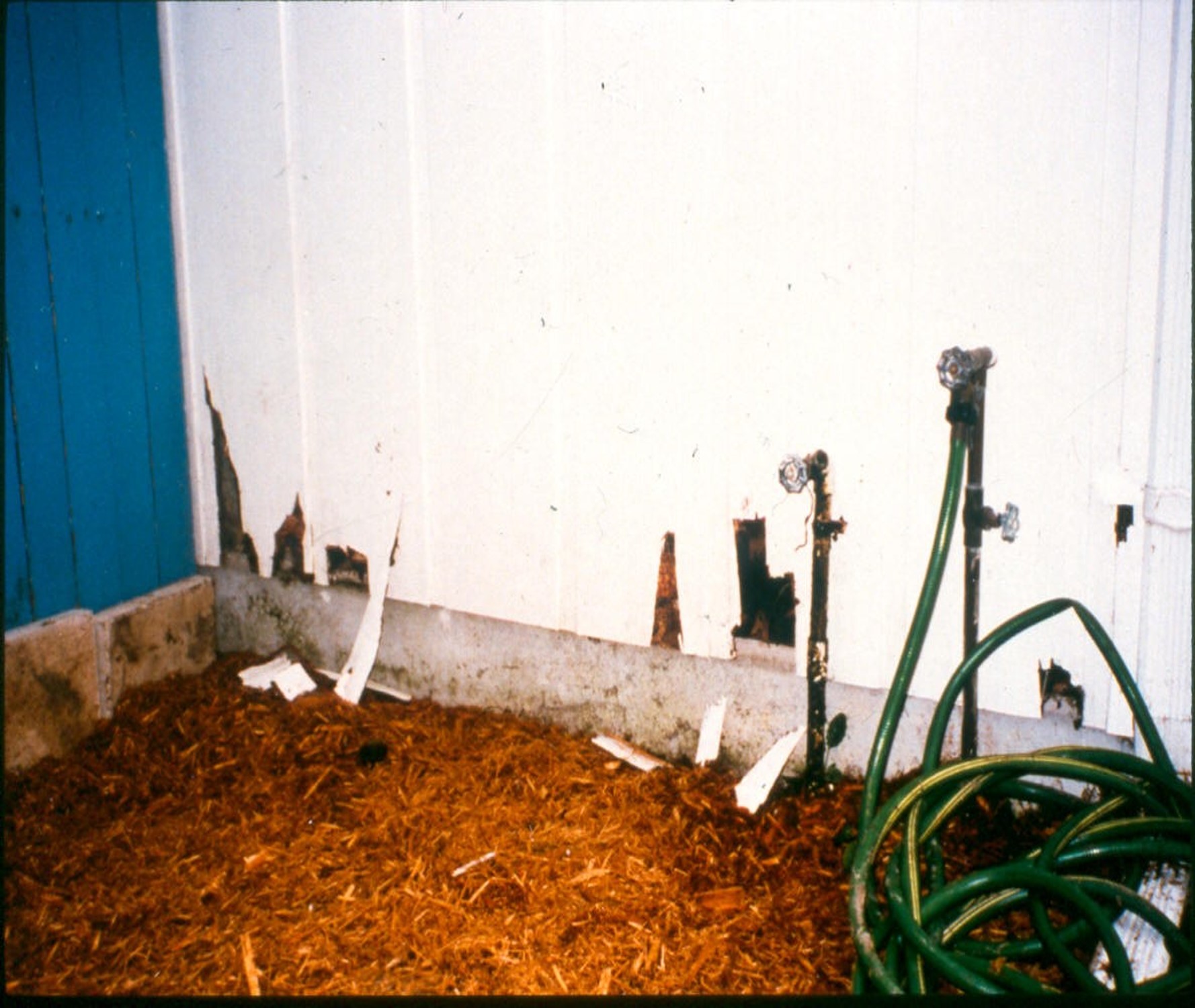
Excessive probing - no need to rip delaminating siding layers 1 foot up to determine no WDO. (Perfectly proper to mention water damage/delamination in the comments area)
All of these areas were in plain view if - you opened the attic scuttle and stuck your head in and looked around, or actually crawled the entire crawl space.
The WDO Inspection form 13645 - page 1 (If you click on it, you'll get full size...) The form is also available on the FDACS.gov website in the forms area.
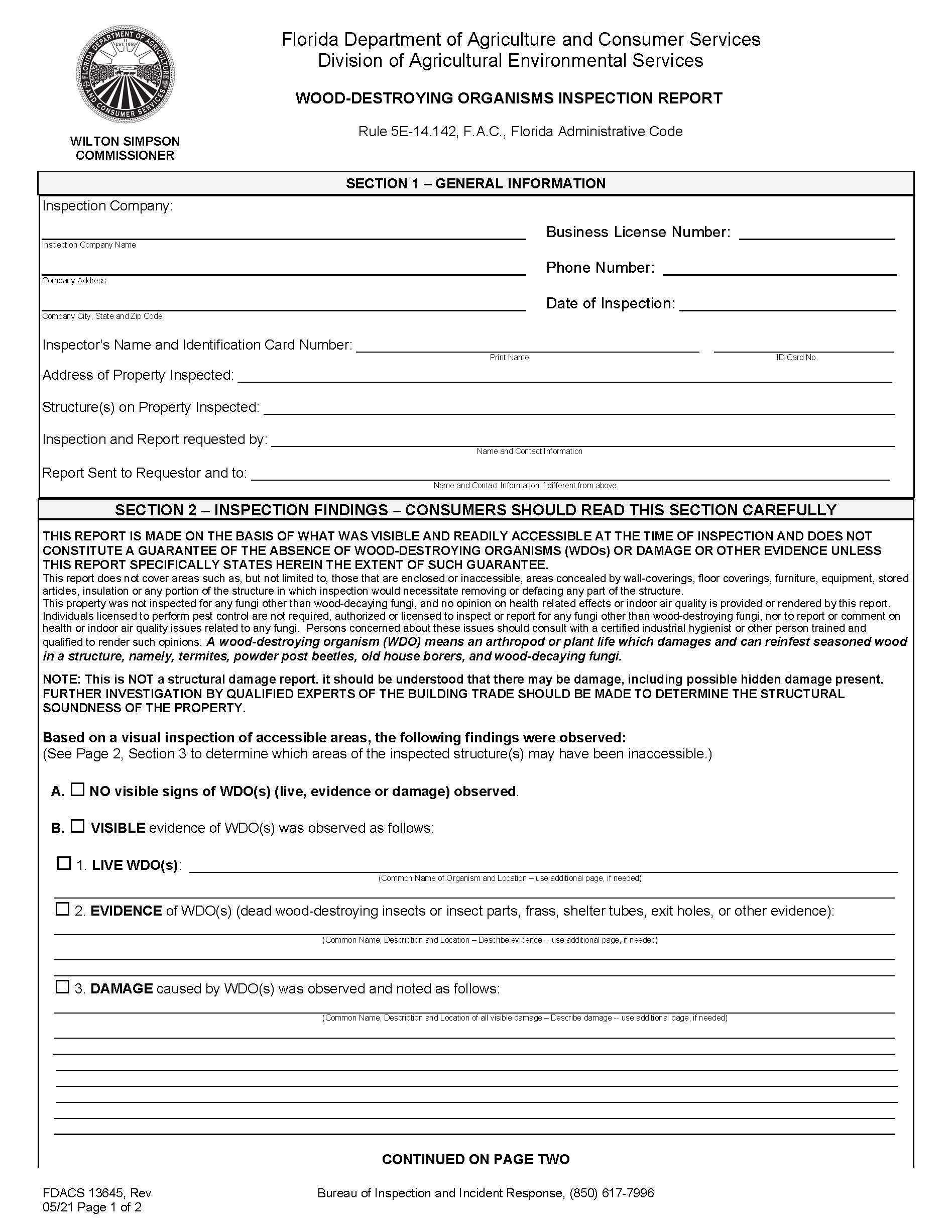
The top portion is just the general information about the inspection, who did it, who requested, the inspection location, who performed the inspection, company information, and most importantly, "STRUCTURE(S) ON PROPERTY INSPECTED". This is where you should put house only or house and separate garage....whatever structures you did inspect.
Then there is a lot of language explaining what this form is and what it means and what it doesn't mean...and then it gets into the inspection indications or results. Each of the choices has a specific meaning, so be sure to be aware of the differences.
The WDO Inspection form 13645 - page 2 (If you click on it, you'll get full size...)
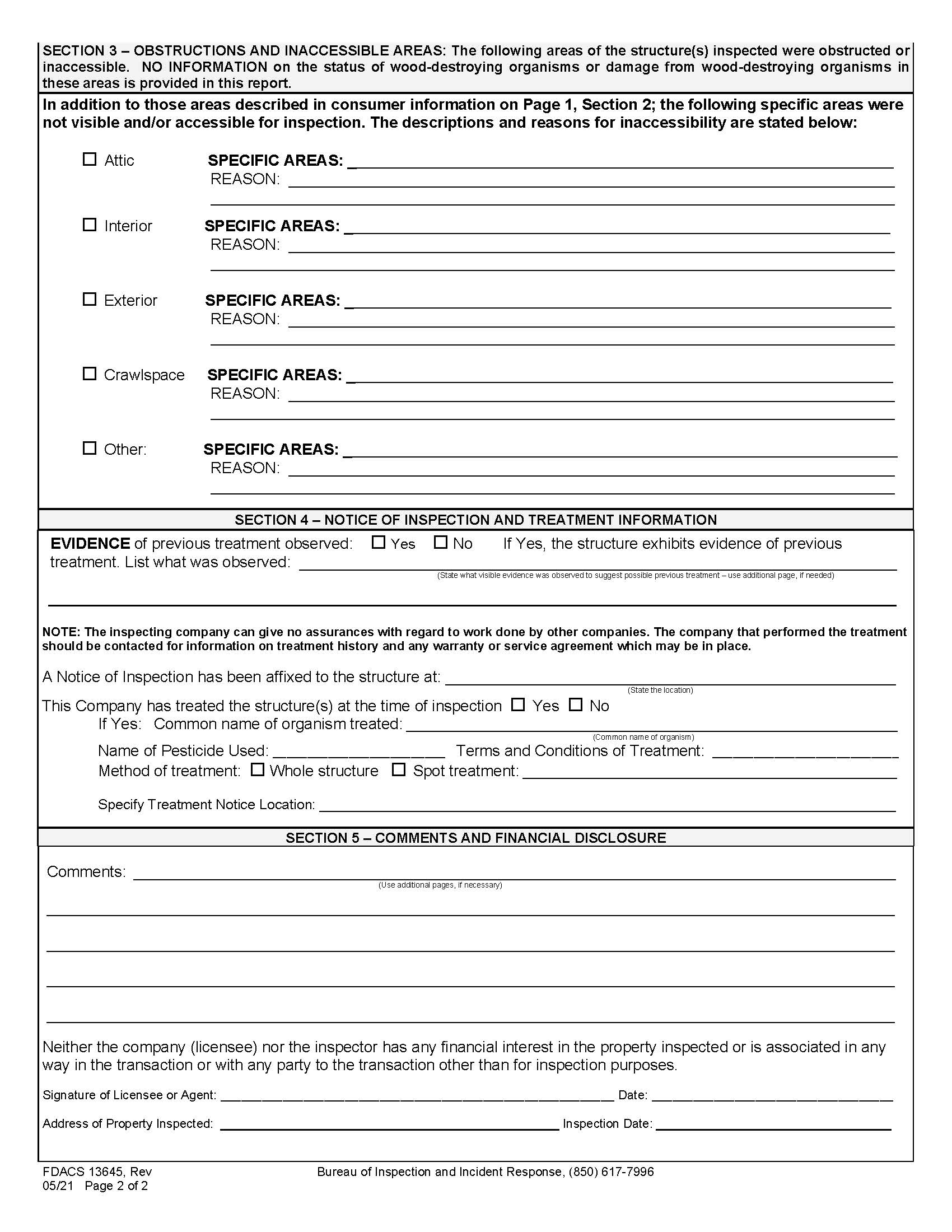 The first section (Section 3) covers areas that YOU DID NOT INSPECT. This is a very important section to get right. Section 4 is where you would provide any information regarding any previous evidence of treatment you observe - drill holes, posted treatment notices, etc. Don't forget to ask the homeowner if they have copies of any WDO contracts they may have had.
Then there's the area for you to indicate where you left YOUR inspection notice and/or if any treatment was performed where you were there. Section 5 allows you to write any comments about any conducive conditions or anything else you may have observed that might need attention.
The form is then signed which attests that you've got no financial interest in the property and a copy is retained for a 3 year period by the licensee.
If you're a WDO inspector, we've got a few tips from over the years. If a person wants you to inspect at a specific time of day - be cautious - trying to stare into a setting sun at the under framing of a chocolate colored wood deck on the 2nd story is next to impossible.
If they're making repairs and promise you they'll be done by a certain time, and you arrive and they are only halfway done - tell them you'll come back. We know someone who found that the 6 window frams on the back of the house had wood decay and when he went out to do the follow-up they had replace 4 and had two more windows on the ground still to do and he, unfortunately, issued a clear report. It appears they instantly stopped working and he ended up paying to replace two windows.
Another inspector found wood decay on the bottom edge of wood siding in several places (which was wood to ground contact anyway). The contractor cut the last 4 inches off the siding to remove all of the wood decay. The WDO inspector showed back up and from his car, looking through the windshield, saw that it had been cut off. Drove off and issued his clear report. If he had gotten out of the car and walked around the perimeter, he'd have found the subterranean mudtubes spanning the back third of the house that was plainly visible when the siding was removed.
When I was performing WDOs (back in the 80s) all of the WDO inspectors from ALL of the surround companies agreed to start placing business cards, with the day's date, either pinched between roof sheathing and trusses where evidence might exist and/or leaving them loose on top of the insulation at the attic scuttle. Our realtors were notorious for using a company to identify problems and then arranging for incorrect repairs that just hid the issues and calling a second company to get a clear report.
If you ever showed up at a house and noticed fresh paint, etc., you instantly got more cautious and if you found a person's card, it was not uncommon to give each other a call and to ask what's up (usually while you were still there so you could really check those areas). This practice saved a lot of people's behinds...
Summary of Compliance Regulations
Florida Department of Agriculture and Consumer Services (FDACS)The Florida Department of Agriculture and Consumer Services (FDACS) plays a central role in regulating and overseeing pest control activities in the state. Understanding FDACS and its responsibilities is essential for compliance.
Regulatory Authority
FDACS is the state agency responsible for regulating and licensing pest control operators, including those dealing with wood-destroying organisms.
Licensing and Certification
Within FDACS, the Licensing and Certification Section manages and enforces pest control regulations, including those related to wood-destroying organisms. FDACS issues licenses to individuals and businesses engaged in pest control activities, ensuring that practitioners meet the necessary qualifications and training requirements. The Inspection and Incident Response Section performs routine compliance inspections on pest control licensees and investigates consumer complaints. For documented violations, this Section initiates the administrative complaint through the Enforcement Section.
Licensing Requirements
Pest control operators in Florida must adhere to specific licensing requirements.
License Types: FDACS issues different types of certifications based on the services provided. This may include Termite, General Household Pest Control, Fumigation, and more.
Training and Certification
Certification: Pest control operators must complete training and certification exams to qualify for licensure. Employees also receive documented training from their licensee. To perform WDO inspections, the technician receives special training in pesticide safety, pest biology, and regulatory compliance.
Continuing Education: To maintain their licenses, pest control operators are often required to participate in ongoing education and training to stay current with industry best practices and regulatory changes.
Record Keeping and Reporting
Accurate record keeping and reporting are critical aspects of regulatory compliance in Florida.
Service Records: Pest control technicians must maintain detailed records of all pest control activities, including inspections, treatments, and recommendations. These must be retained for two years.
Pesticide Application Records: When pesticides are used, technicians must record the type of pesticide, application rates, locations treated, and dates of application. Restricted Use Pesticide (RUPs) records must be retained for two years.
Consumer Information: Pest control operators are required to provide clients with information about the pesticides used, safety precautions, and any potential risks. Wood-Destroying Organism Inspection Reports, FDACS 13645 must be retained for three years.
Reporting Requirements: In certain situations, such as pesticide spills or adverse reactions, pest control operators are obligated to report incidents to FDACS in addition to the local county or city officials.
Safety Regulations
Safety regulations are paramount in pest control operations to protect both technicians and the public.
Personal Protective Equipment (PPE): Technicians must use appropriate PPE, including gloves, goggles, masks, and protective clothing, when handling pesticides.
Label Compliance: It's essential to strictly follow pesticide label instructions, including dosage rates, application methods, and safety precautions.
Proper Storage and Disposal: Pesticides must be stored securely and in accordance with label instructions. Proper disposal procedures for pesticide containers and unused products must be followed.
Emergency Response: Technicians should be trained in emergency response procedures in case of accidents or pesticide spills.
Notification: Pest control operators are often required to notify clients about pesticide applications, ensuring that occupants are aware of the treatment.
Compliance with safety regulations is not only a legal requirement but also critical for protecting human health, the environment, and maintaining a positive reputation within the pest control industry.
By adhering to the regulations and compliance requirements outlined by FDACS and other relevant authorities in Florida, pest control technicians ensure that their operations are safe, effective, and in line with state laws and industry standards. Failure to comply with these regulations can result in legal penalties, loss of licensure, and reputational damage.
Pesticide Safety
Pesticide safety is of utmost importance to protect both pest control technicians and the environment.
Pesticide Selection: Choose the right pesticide for the target pest and ensure that it is registered for use in Florida. Always read and follow the pesticide label instructions carefully.
Application Practices: Apply pesticides according to label instructions, adhering to recommended dosage rates, application methods, and safety precautions.
Mixing and Dilution: When mixing pesticides, wear appropriate PPE, and follow correct mixing ratios. Ensure that the mixing area is well-ventilated and away from food, drink, and personal items.
Aerial Applications: If using aerial applications, follow strict safety protocols to prevent drift and ensure the safety of nearby individuals and non-target areas.
Restricted Entry Intervals (REIs): Respect REIs, which are the time intervals after pesticide application during which entry into treated areas is restricted. Communicate REIs to occupants of treated structures.
Record Keeping: Maintain accurate records of pesticide use, including dates, locations, types of pesticides used, and application details.
Personal Protective Equipment (PPE)
Proper personal protective equipment (PPE) is essential for safeguarding the health of pest control technicians.
Respiratory Protection: Depending on the pesticide and application method, technicians may need respiratory protection, such as masks or respirators.
Eye and Face Protection: Wear safety goggles or a face shield to protect the eyes from splashes, dust, or aerosolized pesticides.
Hand Protection: Use chemical-resistant gloves to prevent skin contact with pesticides.
Body Protection: Wear coveralls or protective clothing to minimize skin exposure. The choice of clothing material depends on the pesticide being used.
Footwear: Wear chemical-resistant boots or shoe covers to protect against accidental spills or splashes.
Head Protection: Depending on the situation, a head covering or hood may be necessary for protection.
Safe Handling and Storage of Chemicals
Proper handling and storage of pesticides are essential to prevent accidents and minimize environmental impact.
Handling Procedures: Follow all recommended handling procedures specified on the pesticide label. Never eat, drink, or smoke while handling pesticides.
Storage: Store pesticides in a secure area that is inaccessible to unauthorized individuals, children, or pets. Pesticides should be stored in their original containers and placed on stable, leak-proof surfaces.
Compatibility: Store pesticides separately to prevent cross-contamination. Ensure that incompatible pesticides are kept apart.
Labeling: Clearly label all pesticide containers with the product name, concentration, and date of purchase.
Emergency Information: Maintain an emergency spill kit that includes absorbent materials, gloves, goggles, and a spill response plan.
Emergency Response and First Aid
In the event of a pesticide-related emergency or exposure, pest control technicians should be well-prepared.
Spill Response: If a pesticide spill occurs, follow the spill response plan, which may include containing the spill, neutralizing chemicals if possible, and safely disposing of contaminated materials.
Exposure: If pesticide exposure occurs, seek immediate medical attention. Technicians should know the location of the nearest medical facility and contact the Poison Control Center.
First Aid: Pest control technicians should be trained in basic first aid procedures for pesticide-related incidents. This includes procedures for eye or skin contact, inhalation, or ingestion of pesticides.
Reporting: Any pesticide-related accidents or incidents must be reported to the appropriate regulatory authorities and the employer as required by law.
Decontamination: In the case of pesticide exposure, follow decontamination procedures, such as washing contaminated skin thoroughly with water and changing into clean clothing.
Safety procedures are a cornerstone of responsible pest control operations. By adhering to these procedures, pest control technicians in Florida can minimize the risks associated with pesticide use and ensure the safety of themselves, clients, and the environment. Regular training and ongoing education in safety practices are crucial to maintaining a safe and effective pest control program.
Inspection and Assessment
Pre-Inspection ProceduresBefore conducting a pest inspection, there are essential pre-inspection procedures that technicians should follow.
Client Communication: Contact the client in advance to schedule the inspection, confirm the address, and gather information about any pest-related concerns they may have.
Equipment Preparation: Ensure that all inspection equipment is in proper working order and readily accessible. This may include flashlights, moisture meters, probing tools, and any specialized equipment for detecting wood-destroying organisms.
Access Permission: Obtain permission from the property owner or occupant to access all areas that need inspection, including crawlspaces, attics, and outbuildings.
Safety Precautions: Review safety procedures and ensure that the necessary personal protective equipment (PPE) is on hand.
Documentation: Prepare inspection forms, reports, and any necessary paperwork for recording findings and recommendations.
Comprehensive Inspections
Comprehensive inspections are the cornerstone of effective pest control. Follow these steps for thorough inspections.
Exterior Inspection: Begin with an exterior inspection of the property, including the foundation, walls, roof, and landscaping. Look for signs of pest activity, such as mud tubes, exit holes, frass, or damaged wood.
Interior Inspection: Move indoors, systematically inspecting all areas of the structure. Pay close attention to areas with moisture issues, wood-to-soil contact, and potential entry points for pests.
Crawlspaces and Attics: Inspect crawlspaces and attics if accessible. These areas are often vulnerable to pest infestations.
Wooden Structures: Focus on wooden structures, such as decks, porches, and fences, which are susceptible to wood-destroying organisms.
Moisture Levels: Use a moisture meter to assess the moisture content of wood and other materials. High moisture levels can indicate conditions favorable to pests.
Identification: Accurately identify the type of wood-destroying organism responsible for any damage or activity observed.
Identifying and Reporting WDO and Structural Damage
Identifying and reporting WDO damage and structural damage is a critical aspect of the inspection process.
Documentation: Record all findings, including the location and extent of damage, in the inspection report. Include photographs when possible to provide visual documentation. If the inspection was performed for a real estate transaction, or a fee is charged, a written Form 13645 - WDO Inspection Report is required.
Severity Assessment: If you are a qualified building contractor or trained home inspector, assess the severity of structural damage and prioritize areas that require immediate attention.
Client Communication: Communicate your findings to the client clearly and professionally. Explain the implications of the damage and recommend appropriate actions for remediation.
Regulatory Reporting: In some cases, the State or the University of Florida asks for WDO samples to be submitted noting the county and physical address as they continuously try to update habitat range and invasive organisms.
Recommendations: Provide recommendations for treatment and prevention based on your findings. These may include chemical or non-chemical control methods, repairs, and moisture management strategies.
Timely Reporting: Submit inspection reports and findings promptly to ensure that clients can take necessary actions to address structural damage and pest infestations promptly.
Comprehensive inspections and accurate reporting are essential for pest control technicians to provide effective solutions to clients in Florida. By following these procedures, technicians can help clients protect their properties from wood-destroying organisms and maintain safe and structurally sound structures.
Customer Communication
Effective Communication SkillsEffective communication is a critical skill for pest control technicians when interacting with customers.
Active Listening: Listen attentively to the customer's concerns and questions. Show empathy and respect for their perspective.
Clear Communication: Use clear and simple language to explain inspection findings, treatment plans, and recommendations. Avoid jargon or technical terms that the customer may not understand.
Non-Verbal Communication: Pay attention to non-verbal cues, such as body language and facial expressions, to gauge the customer's level of understanding and comfort.
Professionalism: Maintain a professional demeanor at all times. Be courteous, punctual, and well-groomed.
Conflict Resolution: If conflicts or disagreements arise, approach them with diplomacy and a problem-solving attitude. Seek mutually beneficial solutions.
Written Communication: When necessary, provide written documentation of inspection findings, treatment plans, and recommendations in a clear and organized manner.
Educating Customers about Wood-Destroying Organisms
Educating customers about wood-destroying organisms is essential for their understanding and cooperation.
Pest Identification: Clearly identify the type of wood-destroying organism responsible for the infestation. Use visuals or examples to help customers recognize the pest.
Life Cycles and Behavior: Explain the life cycles, nesting habits, and behavior of the specific pest. Describe how these characteristics contribute to infestations and damage.
Pest Risks: Discuss the risks associated with wood-destroying organisms, including structural damage and potential health hazards. Highlight the importance of prompt action.
Environmental Factors: Educate customers about environmental factors that contribute to infestations, such as moisture issues, wood-to-soil contact, and landscaping choices.
Preventive Measures: Provide customers with practical preventive measures they can implement to reduce the risk of future infestations. This may include moisture control, home maintenance, and landscaping recommendations.
Providing Maintenance Recommendations
Maintenance recommendations are an integral part of customer communication.
Regular Inspections: Encourage customers to schedule regular pest inspections to detect infestations in their early stages and prevent extensive damage.
Moisture Control: Stress the importance of moisture control in and around the structure. Offer guidance on proper drainage, gutter maintenance, and the use of dehumidifiers.
Wood Maintenance: Advise customers on wood maintenance, including sealing, painting, or treating wood to deter pests and protect against decay.
Landscaping Tips: Offer landscaping recommendations that minimize wood-destroying organism risks, such as avoiding wood-to-soil contact, proper plant placement, and selection of pest-resistant plants.
Timely Repairs: Emphasize the importance of addressing structural issues promptly. Encourage customers to repair damaged wood, replace rotting materials, and seal entry points for pests.
Post-Treatment Care: If a treatment plan has been implemented, provide post-treatment care instructions. Explain any precautions or actions the customer should take to ensure treatment effectiveness.
Follow-Up Appointments: Schedule follow-up appointments or inspections as needed to monitor the effectiveness of treatment and address any new concerns.
Effective customer communication not only ensures that customers are well-informed and satisfied with the service but also promotes a collaborative approach to pest control. By educating customers and providing maintenance recommendations, pest control technicians in Florida empower homeowners to take an active role in preventing wood-destroying organism infestations and maintaining pest-free properties.
Preventive Measures
Moisture ControlMoisture control is one of the most effective preventive measures against wood-destroying organisms in Florida.
Maintaining Proper Drainage: Ensure that the property has adequate drainage systems in place to divert rainwater away from the structure's foundation. Gutters, downspouts, and proper grading can help achieve this.
Crawlspaces and Basements: Encourage homeowners to keep crawlspaces and basements dry by installing vapor barriers, dehumidifiers, and sump pumps as needed.
Roof and Plumbing Repairs: Promptly address roof leaks and plumbing issues that can introduce moisture into the structure. Leaky roofs or plumbing can create ideal conditions for pests and wood decay.
Ventilation: Adequate ventilation in attics and crawlspaces is crucial for moisture control. Proper airflow helps prevent condensation and dampness.
Structural Modifications
Structural modifications can help reduce vulnerabilities to wood-destroying organisms.
Wood-to-Soil Contact: Advise homeowners to avoid direct wood-to-soil contact in building construction. Use concrete footings or barriers to separate wood from the ground.
Mulch and Landscaping: Suggest that mulch and landscaping materials be kept away from the structure's foundation. Mulch can trap moisture and provide pathways for pests.
Sealing Entry Points: Recommend sealing cracks, gaps, and openings in the building's exterior to prevent pests from entering. Focus on areas where utilities enter the structure.
Wood Replacement: If possible, replace damaged or rotting wood with treated or naturally pest-resistant materials. This reduces the appeal of the structure to wood-destroying organisms.
Wood Preservation Techniques
Wood preservation techniques are valuable preventive measures against pests and wood decay.
Wood Treatments: Encourage homeowners to treat vulnerable wood surfaces with wood preservatives, stains, or paints. These products can deter pests and protect against decay.
Pressure Treated Wood: Specify the use of pressure-treated wood for structural components in areas prone to moisture or potential pest infestations, such as decks and porches.
Regular Maintenance: Emphasize the importance of regular maintenance, including inspections, repairs, and resealing or repainting wood surfaces as needed.
Regular Inspections
Regular inspections are a fundamental preventive measure in the fight against wood-destroying organisms.
Scheduled Inspections: Recommend that homeowners schedule annual or bi-annual inspections with professional pest control technicians. These inspections can detect early signs of infestations.
DIY Inspections: Educate homeowners on how to conduct their own visual inspections, checking for signs of pest activity, moisture problems, and wood damage.
Prompt Action: Encourage homeowners to take prompt action if they notice any signs of pests or structural damage during their inspections. Early intervention can prevent infestations from becoming severe.
Documentation: Stress the importance of documenting inspection findings and any actions taken. This documentation can serve as a reference for future inspections and treatments.
By implementing these preventive measures and educating homeowners about them, pest control technicians in Florida can help clients proactively protect their properties against wood-destroying organisms. Preventive actions not only reduce the risk of infestations but also contribute to the long-term health and durability of structures.
References
The termite information comes from the EDIS website at http://edis.ifas.ufl.edu. EDIS houses a series of documents from the Featured Creatures project as well as other entomological publications from the Entomology and Nematology Department, Florida Cooperative Extension Service, Institute of Food and Agricultural Sciences, University of Florida.
The various authors associated with the documents used are: Thomas Chouvenc, Rudolf H. Scheffrahn, Nan-Yao Su, Brian Cabrera and William Kern, Jr., Entomology and Nematology Department, Institute of Food and Agricultural Sciences, University of Florida, Ft. Lauderdale, FL.
The Institute of Food and Agricultural Sciences (IFAS) is an Equal Opportunity Institution authorized to provide research, educational information and other services only to individuals and institutions that function with non-discrimination with respect to race, creed, color, religion, age, disability, sex, sexual orientation, marital status, national origin, political opinions or affiliations. For more information on obtaining other extension publications, contact your county Cooperative Extension service.